Industrial Visual Safety Warning Systems
Optical projection, warning zones, proximity detection, and docking guidance engineered for factories, logistics hubs, and material-handling environments.
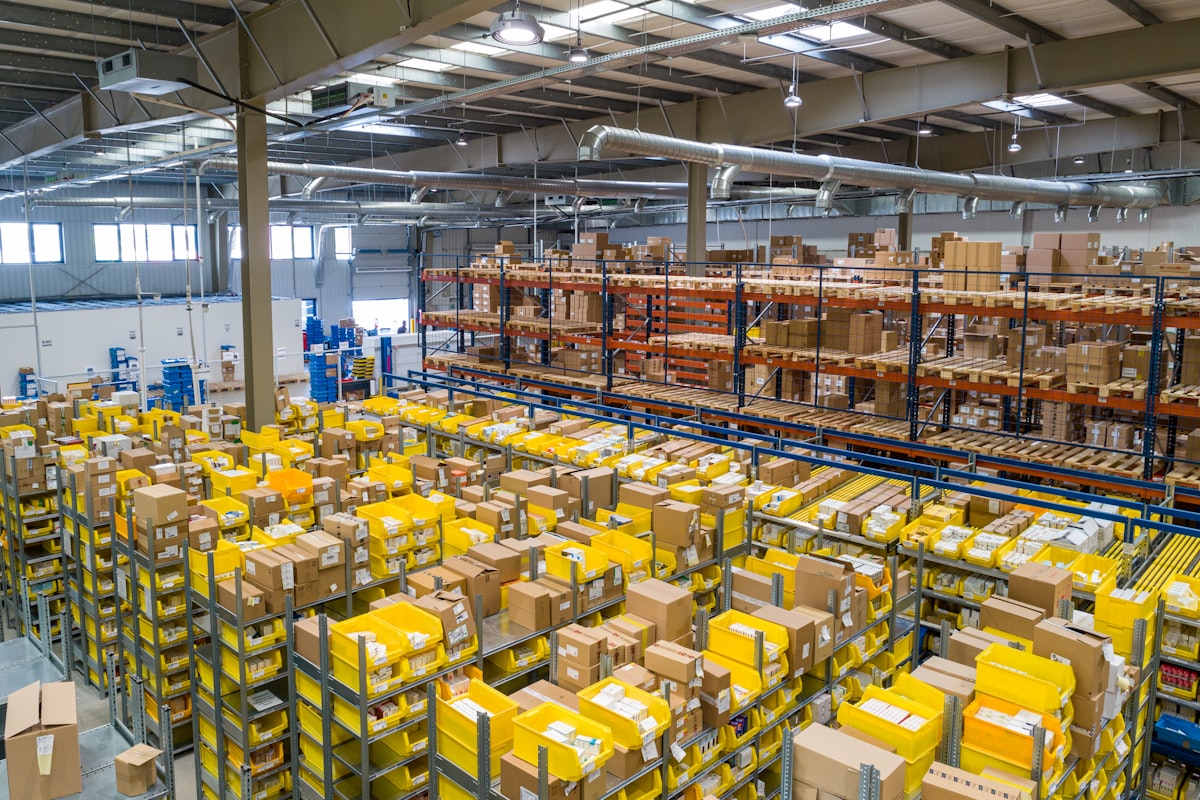
Sensor-triggered high-contrast projection at intersection point.
Engineered Product Systems
High-durability optical hardware designed to replace wear-prone floor paint and deliver active hazard awareness.
Virtual Safety Marking
Projected lines, high-contrast symbols, crane warning perimeters, and directional indicators unaffected by heavy wheel abrasion.
- Virtual Sign Projectors
- Safety Line Projectors
- Crane Safety Light Series
- Forklift Boundary Lights
Anti-Collision Systems
Active proximity detection and blind-spot warning combining sensor nodes, vehicle modules, and responsive visual alerts.
- UWB Proximity Detection Systems
- AI Camera Blind-Corner Warning
- Pedestrian Tag Interaction
Alignment & Docking
High-visibility laser lines and optical guides for exterior vehicle positioning, bay alignment, and staging bays.
- Laser Truck Docking Guidance
- Outdoor Staging Lane Lines
- Bay Alignment Reference Modules
What Safety Problem Are You Trying to Solve?
Select by the actual hazard profile of your facility rather than guessing equipment specifications.
Forklift & Pedestrian
- • Forklift Approaching Risk
- • Pedestrian Crossing Points
- • Blind Intersection Conflicts
Floor Marking Wear
- • Paint & Tape Deterioration
- • Traffic Lane Low Contrast
- • High-Traffic Aisle Marking
Crane & Suspended Load
- • Crane Travel Perimeter
- • Hook & Load Ground Position
- • Overhead Hazard Visibility
Dynamic Collision
- • Vehicle-to-Vehicle Crossings
- • Obstacle Corner Proximity
- • Automated AGV Gate Warning
Loading Dock Safety
- • Night Truck Alignment
- • Loading Bay Edge Visibility
- • Trailer Reversing Boundaries
Featured Application Solutions
Forklift Approaching Warning Solution
Problem: Safety Problem & Applicable Scenarios Forklift approaching risks commonly occur at blind intersections, aisle exits, pedestrian crossings, industrial doorways, loading areas, and other locations where forklift traffic intersects with pedestrian movement. Traditional floor paint, tape, and fixed signs provide static guidance, but they cannot respond to an approaching vehicle. In high-traffic areas, floor markings may also become worn, dirty, blocked, or less noticeable over time. The Forklift Approaching Warning Solution is suitable where an additional visual warning is needed at the actual conflict point. Depending on the application, the system can project a STOP sign, pedestrian warning symbol, warning line, or other visual indication onto the floor. The warning may operate continuously or be activated only when a forklift approaches through radar, photoelectric sensors, relay signals, PLC I/O, or other control inputs. Typical applications include: Blind warehouse intersections Forklift aisle exits Forklift and pedestrian crossings Industrial doorways Loading and staging areas Manufacturing areas with mixed vehicle and pedestrian traffic Locations where static floor markings have high wear or limited visibility This solution is intended as an additional visual warning layer and does not replace physical barriers, traffic management, speed control, operator training, or other required safety measures.
Tell Us About Your Application
Industrial safety projection performance relies directly on physical site variables. Provide your installation parameters so our engineers can calculate lux contrast and recommend the correct lens and wattage configuration.
Engineering & Production Capabilities
Optical & Lens Engineering
Custom focal length, Gobo etching, and wide-angle beam design optimized for high-throw industrial clearances.
Thermal & Housing Design
Cast aluminum IP65/IP67 housings engineered for 24/7 duty cycles and harsh manufacturing environments.
Sensor & Control I/O
Direct integration with microwave radar, optical break-beams, UWB receivers, and factory automation PLCs.
OEM & Configuration
Private label housing, specialized brackets, custom voltage supplies, and tailored application packaging.
For Industrial Safety Distributors & Integrators
SNT provides full technical backing to safety equipment dealers, material-handling specialists, and automation integrators. We support your client proposals with photometric sizing, documentation, pilot hardware, and OEM packaging.
Real-World Applications
High-Traffic Forklift Intersection
- Risk:
- Blind corner pedestrian collision
- Solution:
- Radar-triggered virtual STOP sign
- Hardware:
- 80W Virtual Sign Projector
Overhead Crane Hazard Zone
- Risk:
- Suspended load swing unawareness
- Solution:
- Dynamic 4-line boundary projection
- Hardware:
- Crane LED Line Warning Series
Deteriorating Floor Line Marking
- Risk:
- Floor tape peeling due to frost & traffic
- Solution:
- Continuous projected walk lane lines
- Hardware:
- Safety Line Projector Series
Technical Insights & Selection Guides
How Crane Warning Lights Create Visible Hazard Zones Below Overhead Loads
Crane warning lights project visible lines, spots or symbols onto the floor to improve awareness of overhead crane movement and suspended-load zones. Here is how the system is applied and specified.
How to Choose an LED Safety Line Projector for a Warehouse
Mounting height, required line length, ambient light and installation geometry matter more than wattage alone. This practical guide explains the key inputs for selecting a warehouse safety line projector.
Virtual Safety Signs vs. Floor Paint and Tape: Which Works Better in Industrial Facilities?
Floor paint and tape remain useful for permanent markings, but projected safety signs offer a flexible, non-contact option for locations where markings wear, layouts change, or warnings need to be triggered dynamically.
Have an Industrial Safety Application to Evaluate?
Send us your mounting clearances, ambient lighting levels, and risk parameters. SNT application engineers will prepare a configuration specification for review.
Note: SNT visual safety projection systems are active warning supplements and do not replace statutory physical guarding, speed limits, or operational safety procedures.